



 Round Rugs
  Wool Rugs
  Vintage Rugs


 Carpet Tiles
  Carpet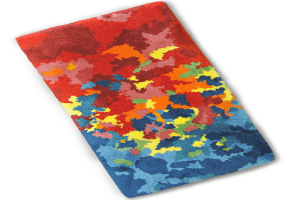
 Embossed Rug
  Plain Rug
 2.5'*4'
  2'*3'
2'*3'  3'*5'
3'*5'  5*7.5
5*7.5 













 Artificial Grass
  Mats
Mats 
 Soil
Soil  Fertilizer
  Pesticides
- Can a simple ball create a cascade of excitement in the world of the plinko game?
- Understanding the Mechanics of the Plinko Game
- The Role of Randomness
- The Psychological Appeal of the Plinko Game
- The Influence of Prize Structures
- Strategies for Playing the Plinko Game
- Community and the Social Aspect of the Game
- Conclusion and Reflections
Can a simple ball create a cascade of excitement in the world of the plinko game?
The genesis of the plinko game can be traced back to carnival games that captivated the imaginations of countless players. With its intriguing mechanism—a ball cascading down a board strewn with pegs—it invites not just luck but also a sense of wonder. As the ball dances from peg to peg, players watch eagerly, anticipating where it will finally land among the slots below, each holding a different prize. The thrill is palpable; the unpredictability of the paths taken by the ball creates an exhilarating experience.
This form of entertainment taps into basic human nature—the love for randomness and the excitement of chance. Within a casino setting, the plinko game serves as both a source of amusement and an avenue to win rewards, enhancing social interactions and competitive spirits among players. As the ball ricochets against the pegs, creating a soundtrack of sporadic clinks and clatters, an electric atmosphere builds, drawing in bystanders and participants alike.
What makes the plinko game truly fascinating is its simplicity coupled with the potential for significant payouts. Players often find themselves lost in thought, devising strategies, even though the game’s outcome is primarily driven by luck. This paradox of skill versus chance is a key aspect that attracts many to this game.
Furthermore, the aesthetics surrounding the game—from bright lights to the excitement of the crowd—create an immersive experience. Not only do participants engage with the game on a personal level, but they also become part of a larger narrative of thrill and community within the casino. As each drop of the ball can lead to cheers or groans, the communal experience becomes as important as the game itself.
In this article, we will explore the mechanics of the plinko game, its history, its psychological appeal, and the various strategies players consider as they embark on this journey of chance. We will also analyze the dynamics of reward systems that enhance player engagement, ultimately revealing why this simple game continues to thrive in modern gaming culture.
Understanding the Mechanics of the Plinko Game
The plinko game operates on a straightforward yet engaging premise. A player releases a ball from the top of a vertical board, where it encounters a lattice of pegs arranged in a triangular pattern. As the ball descends, it strikes the pegs, altering its trajectory randomly before it ultimately settles into one of several slots at the bottom of the board.
During its descent, the ball’s path is influenced by the pegs, which can be seen as a series of obstacles that create unpredictable bounce patterns. This randomness is a significant feature of the game, contributing to its charm and allure. Each drop of the ball becomes an individual event, with its own unique outcome based on various factors including the angle of release and the inherent variables of the pegs themselves.
To deepen the understanding of how the plinko game works, consider the following table illustrating the basic mechanics:
| Release Point | The initial angle and position from which the ball is released. |
| Pegs | The obstacles that redirect the ball’s movement as it descends. |
| Slots | The final resting places at the bottom, each associated with a prize. |
This table encapsulates the mechanics of the game, illustrating how ball dynamics interplay with game design. Players often experiment with different release points, leading to varied results and enhancing the game’s replayability.
The Role of Randomness
Randomness is a cornerstone of the plinko game. Each peg hit alters the trajectory of the ball, creating a unique dropping experience every time. This unpredictability is not merely a feature but the essence of the game. Players embrace this randomness, knowing that any drop could lead to a huge win or a disappointing outcome.
The psychological impact of randomness in gaming has been studied extensively. Those who engage with the plinko game often find themselves experiencing excitement and anticipation, akin to a roller coaster ride. While one player may get lucky and land in a high-value slot, another’s ball may rattle down to the bottom without the same fortune. This balance of highs and lows serves to keep players engaged, often leading to repeat play as they seek the thrill of the next drop.
Additionally, the randomness introduces a certain level of skill as players often attempt to discern patterns, even if they are not inherently present. This interplay of strategy and luck distinguishes the plinko game from other games of pure chance.
The Psychological Appeal of the Plinko Game
Understanding why the plinko game captivates players can be traced back to psychological principles that govern human behavior. Game designers have long understood the power of anticipation and excitement, and the plinko game effectively harnesses these elements.
When players watch the ball tumble downwards, their hearts race. This period of waiting—where the outcome is unknown—produces feelings akin to suspense and thrill. The unpredictable nature of where the ball will land creates a psychological investment, leading players to feel a sense of control despite the random elements at play.
Moreover, the game fosters social engagement as players often cheer for one another, enhancing the sense of community and excitement within a gaming environment. This can be particularly seen in casino settings, where groups gather, sharing their feelings about the outcomes of each ball drop. It can develop a friendly rivalry as players may compete for the best score or prize.
The Influence of Prize Structures
The structure of prizes associated with the plinko game further enhances its appeal. Prize slots typically range from low to high, providing various incentives for players. This tiered reward system not only generates excitement but also encourages continuous play.
- Lower Prizes: Generally easier to achieve, catering to casual players.
- Mid-Range Prizes: Offering a balanced risk-reward ratio, attracting more engaged players.
- Jackpot Prizes: These high-stakes rewards draw in daring players willing to risk it all for the potential of a big win.
This diversity in prize options allows the game to cater to a wide range of players, contributing to its popularity. As each player has different motivations—some seeking entertainment and others aiming for significant payouts—the design of the plinko game effectively aligns with these varied goals.
Strategies for Playing the Plinko Game
While luck plays a significant role in the plinko game, players often explore various strategies to enhance their gaming experience. The first step is understanding the impact of the release point on the ball’s journey. Some players advocate for consistently dropping the ball from the same spot, while others prefer to alter their position with each turn.
Moreover, players may choose to analyze the outcomes of previous drops. By observing where balls tend to land most frequently, players might identify trends that influence their next launch. This data-driven approach aligns with the human inclination to seek patterns, even in random events.
Another popular strategy involves betting sizes. Depending on the player’s bankroll and risk appetite, varying the amount wagered can impact the overall experience. A table below outlines some common betting strategies:
| Flat Betting | Consistently betting the same amount per round, minimizing risk. |
| Progressive Betting | Increasing the bet after each loss, hoping for a comeback. |
| Variable Betting | Adjusting bets based on previous outcomes, employing intuition. |
Through employing these strategies, players not only seek to maximize enjoyment from the plinko game, but they also enhance their chances of winning—however slight—by making informed decisions about their gameplay.
Community and the Social Aspect of the Game
The plinko game shines not just in its mechanics, but also through the sense of community it cultivates within casino environments. Players often gather around the game, sharing in the highs and lows of each ball drop, creating an electric atmosphere of support and camaraderie. This social interaction enriches the gaming experience, transforming solitary play into a shared event.
The collective excitement builds as players cheer each other on, often discussing strategies and outcomes between drops. Such social dynamics not only enhance the enjoyment of the game but also foster friendships among players, creating a tightly knit community of enthusiasts. Casinos recognize this and capitalize on social events related to the plinko game, hosting tournaments and themed evenings that draw large crowds.
As technology evolves, many casinos are also integrating digital platforms into the gameplay, allowing players to engage with the plinko game online. This expansion offers players the opportunity to experience the thrill of the game from the comfort of their homes while still connecting with others in virtual formats, further extending the sense of community.
Conclusion and Reflections
The plinko game represents a unique convergence of chance, psychology, and community, making it a compelling choice within the world of entertainment. Its straightforward gameplay masked by layers of psychological engagement distinguishes it from other gaming experiences. As players descend into the game, dropping the ball and watching it ricochet towards unpredictable outcomes, they engage in a timeless dance of luck that echoes through the vibrant halls of casinos and gaming floors.
Ultimately, the success of the plinko game is not only evident in the joyous reactions of players but also in the way it continually adapts to modern gaming culture. As technology progresses, and as players’ preferences evolve, the lasting appeal of watching a simple ball create a cascade of excitement ensures that this game remains a cornerstone of fun and community for years to come.
