


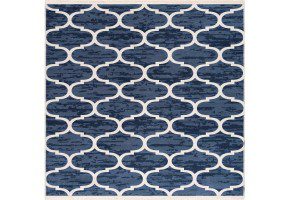
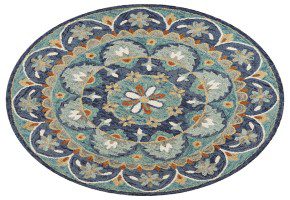
 Round Rugs
 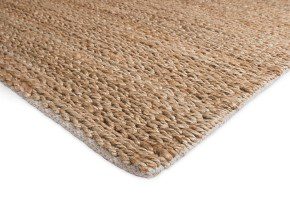 Wool Rugs
  Vintage Rugs


 Carpet Tiles
  Carpet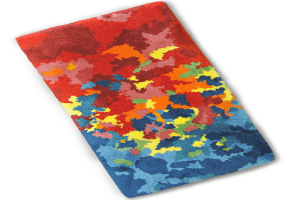
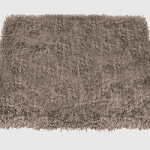 Embossed Rug
  Plain Rug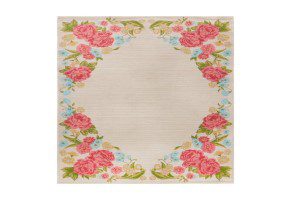
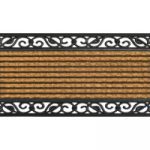 2.5'*4'
  2'*3'
2'*3'  3'*5'
3'*5'  5*7.5
5*7.5 







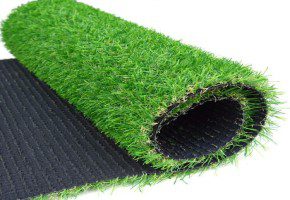 Artificial Grass
  Mats
Mats 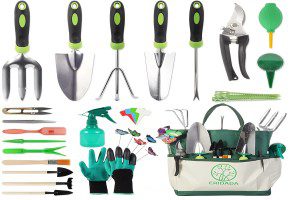
 Soil
Soil 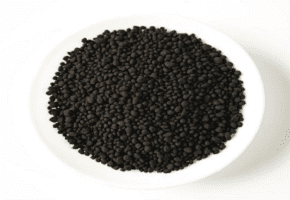 Fertilizer
  Pesticides
When parents initially introduce a kid to cycling, the goal is balance, comfort, and confidence. Kids in between 2 and 4 usually start with equilibrium bikes that have no pedals, enabling them to find out exactly how to stay steady on two wheels prior to taking care of pedaling and braking. At this stage, the experience needs to be fun and pressure-free so the kid naturally acquires self-confidence. Several parents seek lightweight frames, soft grasps, and safe guiding control, and it’s likewise handy to explore options from stores that concentrate on bikes for different age groups– families can examine https://koozonline.com for models that are made with security and safety in mind. With the right introduction, a youngster can create a positive early connection with movement, equilibrium, and outside adventure.
Growing into First Pedal Bikes
As kids grow older, commonly around 4 to 6 years of ages, they are ready for their first pedal bike. These bikes usually include training wheels, yet several kids who begin with a balance bike avoid them entirely and move directly right into pedaling. At this phase, it is very important that the bike fits their elevation appropriately, since convenience straight influences confidence and safety. A bike that is as well hefty or also tall makes riding more challenging and much less pleasurable. Parents usually try to find ergonomic seats, kid-size brake bars, and frames sized particularly for smaller sized legs and much shorter torsos. This is the moment where kids begin to absolutely feel speed and movement, and their sense of freedom expands in addition to their coordination.
Bikes for Children Ages 7 to 10
Now, youngsters frequently begin riding faster and checking out more easily. Bikes for this team normally feature gears or numerous speeds, stronger frames, and often somewhat bigger wheels for much better security and roll-over ability. Kids in this age range can handle much more complicated maneuvering and gain from adjustable seat elevation and handlebar length to match their expanding bodies. Numerous youngsters start riding with buddies, going on area journeys, and requiring a bit extra longevity from their bikes because they may hit bumps, aesthetics, and dirt paths extra with confidence. This is the phase where bicycles end up being not simply playthings however real devices for expedition and individual expression.
Pre-Teen Riders and Their Growing Abilities
When youngsters get to around 10 to 12, cycling comes to be a social and energised task. Bikes for this age group have a tendency to be mid-sized and more detailed in style to grown-up bikes, with genuine gear systems, hand brakes, and higher-quality tires. The emphasis shifts from just riding to pressing boundaries: longer distance experiences, mild off-road courses, and more speed. Pre-teens begin caring about the appearance of their bikes, selecting strong shades or certain design styles. They create choices for certain riding surfaces– whether city streets, crushed rock, or park tracks– and start riding with more self-reliance. The best bike lets them really feel qualified while still making certain security and appropriate sizing.
Bikes for Teens and Young Adults
Teenage cyclists call for bikes that match their physical stamina, height, and riding preferences. Several teenagers start using their bikes for commuting: getting to college, sporting activities technique, or going to buddies. Bicycles for this age group look like grown-up mountain or roadway bikes, featuring real suspension alternatives, numerous equipments, and updated stopping systems. Teens are often strong sufficient to deal with bikes with larger frameworks and even more intricate controls, and they might even develop passion in performance riding, such as path biking or urban sporting activity biking. Now, a bike comes to be a defining part of personal identity and flexibility– more than a device, it enters into way of life.
The Relevance of Bike Safety and Fit
At any kind of age, one of the most critical aspects of choosing a bike is proper fit and safety and security. A well-sized bike helps stop stress on the knees, reduced back, and wrists while likewise enabling full control over steering and braking. Safety and security is not just about putting on a headgear, but also concerning finding out correct hand braking, transforming strategy, riding awareness, and understanding just how to share area with pedestrians and cars. As children grow, their riding routines change, and so ought to their bicycles– regular modifications in seat elevation and handlebar angle can make a big distinction. Parents need to additionally encourage recognition of surroundings, roadway actions, and safe cycling decorum, assisting kids establish liable routines as cyclists.
Making Cycling a Lifelong Practice
Riding a bike isn’t just a youth task– it can become a long-lasting enthusiasm. When youngsters develop positive experiences with biking early, they are more likely to continue riding as young adults and grownups. The joy of activity, the liberty of self-transportation, and the physical benefit of outside exercise all construct a healthy and balanced lifestyle connection. As children age, bikes might progress from training automobiles to informal enjoyable bikes, then to commuter bikes, sporting activity bikes, and eventually adult-level pastime or fitness bikes. Urging youngsters to maintain riding not just strengthens their bodies but additionally fosters freedom, problem-solving, and emotional strength. Gradually, bikes become greater than tools– they become companions for travel, wellness, and growth.
