



 Round Rugs
  Wool Rugs
  Vintage Rugs


 Carpet Tiles
  Carpet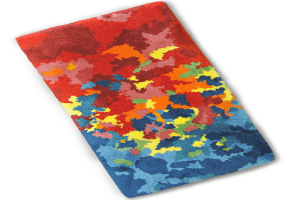
 Embossed Rug
  Plain Rug
 2.5'*4'
  2'*3'
2'*3'  3'*5'
3'*5'  5*7.5
5*7.5 













 Artificial Grass
  Mats
Mats 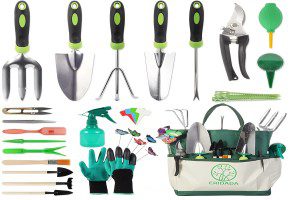
 Soil
Soil  Fertilizer
  Pesticides

How to Choose the Right Option for Your Needs
In today’s fast-paced world, making the right choices is more important than ever. Whether it’s selecting a career path, choosing the right partner, or simply deciding where to spend your free time, every decision can have a significant impact on your life. In this article, we’ll explore various strategies and tips that can help you choose the right options that align with your goals and values. Additionally, we recognize that sometimes you might need a break or a different kind of decision-making option, such as entertainment. For instance, if you’re looking for some leisure time, you might find [this casino](https://winmasters-casino.gr) interesting.
Understanding Your Needs and Preferences
The first step in making any choice is to gain a clear understanding of your own needs and preferences. This requires self-reflection and a bit of soul-searching. Consider the following questions:
- What are my values?
- What are my long-term and short-term goals?
- What experiences do I enjoy the most?
By answering these questions, you can begin to narrow down your choices. For example, if career advancement is important to you, you may want to seek roles that offer opportunities for growth and learning, rather than just a high salary. Similarly, if work-life balance is a priority, you might look for jobs with flexible hours or remote work options.
Research and Gather Information
Once you have a clear understanding of your needs, the next step is to gather as much information as possible about your options. This can include:
- Reading reviews and testimonials.
- Consulting with professionals in the field.
- Comparing similar options.
- Taking advantage of online resources.
The more information you have, the better equipped you’ll be to make an informed decision. For example, if you’re considering a new job offer, look into the company culture, benefits, and growth opportunities. If you’re choosing a new partner, learn about their values and lifestyle.
Weighing Pros and Cons
After gathering information, it’s time to analyze the pros and cons of each option. Create a list for each choice and include factors such as potential benefits, drawbacks, risks, and rewards. This visual representation can help clarify your priorities and may highlight the best path forward.
For instance, if you’re deciding between two job offers, consider factors like salary, commuting time, work environment, company stability, and alignment with your long-term career goals. You might find that one option stands out as the clear choice when you see everything laid out in front of you.

Trust Your Instincts
While data and analysis play a critical role in decision-making, don’t underestimate the power of your instincts. Sometimes your gut feeling may provide insights that aren’t immediately obvious. If a particular option excites you or gives you a sense of peace, it may be worth paying attention to that feeling.
However, balance your instincts with logical reasoning. If you find yourself leaning towards a choice based solely on emotion, take a step back and reassess the facts. Objectives and feelings can provide a well-rounded perspective and enhance your decision-making process.
Setting a Deadline
Having multiple choices can lead to analysis paralysis, where you’re so overwhelmed with options that you fail to make a decision. To avoid this, set a deadline for yourself. Allocating a specific timeframe to make a choice keeps the process moving forward and can help alleviate stress.
This deadline can vary depending on the situation. For instance, you might give yourself a week to decide on a job offer but only a few days to choose a new book to read. Make sure to stick to your deadline to foster decisiveness and confidence in your choices.
Whether to Seek Advice
Sometimes discussing your options with someone else can provide clarity. Seek advice from trusted friends, family members, or mentors who have successfully navigated similar situations. They may offer different perspectives that you hadn’t considered or share experiences that could aid in your decision-making.
Nevertheless, be cautious not to let others’ opinions sway your decision too heavily. It’s your life and your choice, so while it’s helpful to gather input, ultimately the decision should align with your personal values and goals.
Learning from Experience
Every decision is a learning opportunity. Even if an option doesn’t turn out as expected, you can gain valuable insights into your preferences and decision-making process. Reflect on the outcomes of your choices and use that knowledge to inform future decisions. This cycle of reflection can enhance your ability to make the right choices over time.
Final Thoughts
Choosing the right option is often complex but by understanding your needs, gathering information, weighing pros and cons, trusting your instincts, setting a deadline, seeking advice, and learning from past experiences, you can enhance your decision-making skills. Remember, every choice you make shapes your life’s path, so take the time to make thoughtful, informed decisions. And don’t hesitate to explore options for leisure and entertainment, such as [this casino](https://winmasters-casino.gr), when you need to unwind.
